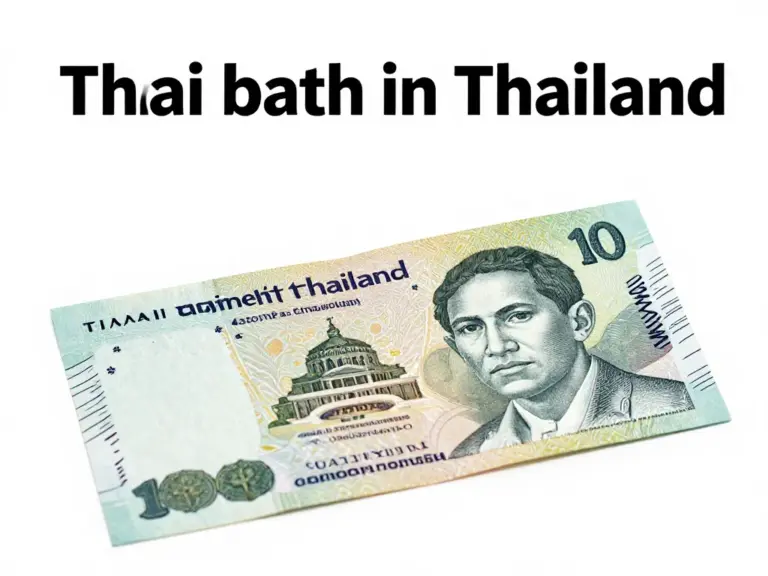
What Currency Is Used in Thailand? Understanding the Thai Baht
If you are currently planning your dream vacation to the Land of Smiles, one of the first practical questions you might have is, What Currency Is Used in Thailand? The official currency of Thailand is the Thai Baht (THB). Understanding how this currency works, how to handle cash versus cards, and the best practices for money exchange will significantly smooth out your travel experience. Navigating the financial landscape of a foreign country can be daunting, but with a bit of preparation, you can focus on enjoying the beaches, temples, and street food rather than worrying about your wallet.
Understanding the Thai Baht (THB)
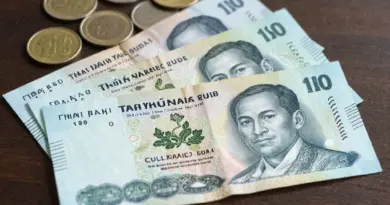
The Thai Baht is the only legal tender in Thailand. It is subdivided into 100 satang, though in modern daily transactions, you will rarely see coins smaller than 1 baht. Banknotes currently in circulation come in denominations of 20, 50, 100, 500, and 1,000 Baht. You will also encounter coins in denominations of 1, 2, 5, and 10 Baht. It is important to treat these notes with respect, as they feature the image of the Thai monarch, and handling them carelessly is considered offensive in Thai culture.
When you arrive in the country, you will notice that the prices are quite reasonable compared to Western nations, but having a grasp of the exchange rate is essential. Because the exchange rate fluctuates, it is wise to check a reliable currency converter shortly before your departure to budget effectively.
How to Manage Money in Thailand
While credit cards are widely accepted in major hotels, upscale restaurants, and modern shopping malls, Thailand remains a predominantly cash-based economy. Local markets, smaller guesthouses, and rural transport services rely heavily on Baht cash. Therefore, it is highly recommended to have a mix of payment methods.
| Payment Method | Acceptance Level | Best For |
|---|---|---|
| Cash (Thai Baht) | Universal | Street food, markets, transport |
| Credit/Debit Cards | High (Urban areas) | Hotels, malls, fine dining |
| Digital Payments (QR) | Growing | Convenience stores, cafes |
Exchanging Money: ATMs vs. Currency Booths
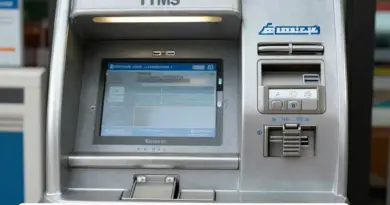
Many travelers wonder if they should bring their home currency and exchange it or simply use ATMs. Using an ATM is generally the most convenient option. Thailand has a vast network of ATMs available throughout the country, even in smaller towns. However, be aware that Thai ATMs charge a flat fee (usually 220 Baht) per withdrawal for foreign cards, regardless of the amount withdrawn. To mitigate this, it is smarter to withdraw larger amounts less frequently rather than making many small withdrawals.
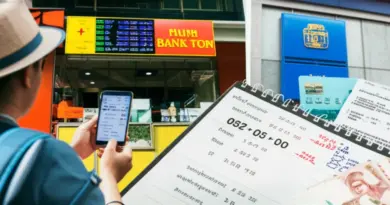
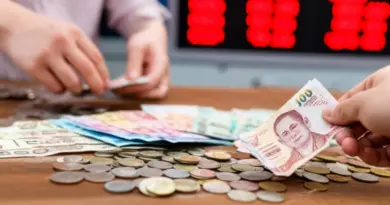
If you prefer to bring cash, ensure your banknotes are in pristine condition. Money changers in Thailand are notoriously strict; they will often reject bills that are torn, marked, or heavily creased. Major currencies like USD, EUR, and GBP are easily exchanged at bank-operated booths found at airports and in major tourist hubs.
Financial Etiquette and Safety
While Thailand is generally a safe destination, it is always wise to keep your money secure. Use a money belt or a secure cross-body bag when in crowded areas like Bangkok’s markets. Additionally, always notify your bank of your travel dates to avoid having your cards blocked for suspicious activity. When using your card at an ATM, always cover the keypad, just as you would back home.
คำถามที่พบบ่อย (FAQ)
Q: Can I use US Dollars in Thailand?
A: No, you cannot use US Dollars directly for transactions. You must exchange them for Thai Baht at a bank or authorized money changer.
Q: Are credit cards widely accepted?
A: Cards are accepted in major hotels and malls, but cash is essential for daily expenses like street food and transport.
Q: What is the best way to get Thai Baht?
A: Using an ATM is the most convenient method. Just be prepared for the fixed transaction fee applied to foreign cards.