Money in Thailand: A Guide to Currency
Planning your dream vacation to the Land of Smiles involves more than just booking flights and hotels; understanding Money in Thailand is crucial for a smooth travel experience. Whether you are bargaining at a bustling night market in Bangkok or sipping coconuts on a serene beach in Phuket, having the right financial knowledge will save you time, money, and unnecessary stress. This comprehensive guide covers everything you need to know about the Thai Baht, exchange rates, and modern payment methods.
Understanding the Thai Baht (THB)
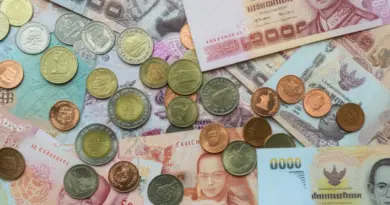
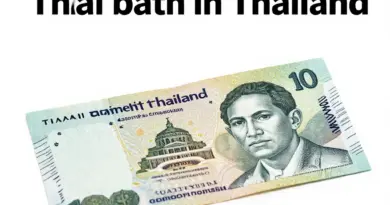
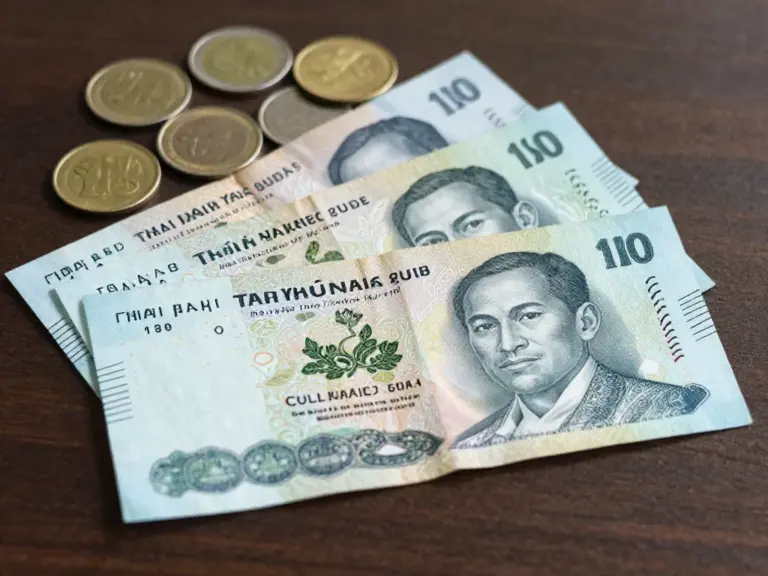
The official currency of Thailand is the Thai Baht, denoted by the symbol ฿ or the code THB. Understanding the denominations is the first step in mastering Money in Thailand. Banknotes come in values of 20, 50, 100, 500, and 1,000 Baht. You will also encounter coins, which are extremely useful for small purchases like water or street food, in denominations of 1, 2, 5, and 10 Baht, as well as smaller ‘satang’ coins (though these are rarely used by tourists).
Exchanging Currency: Where to Get the Best Rates
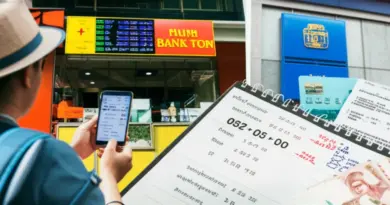
Many travelers wonder if they should bring cash from home or exchange it upon arrival. The general consensus among experts is to bring major currencies like USD, EUR, or GBP and exchange them at reputable local booths. Avoid exchanging money at airports if possible, as rates are typically less favorable. Look for reputable exchange booths like SuperRich, which are famous throughout Thailand for offering some of the most competitive exchange rates in the country.
Using ATMs in Thailand
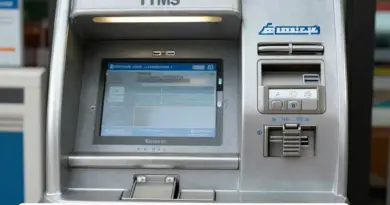
ATMs are ubiquitous across Thailand, from the bustling streets of Chiang Mai to the remote islands. While convenient, be aware that Thai ATMs charge a significant flat fee per withdrawal (usually around 220 Baht) for foreign cards. To minimize these fees, try to withdraw the maximum allowed amount at once rather than making frequent small withdrawals. Always choose ‘decline conversion’ if the ATM asks if you want the bank to handle the exchange rate, as your own bank at home will almost always provide a better rate.
The Rise of Cashless Payments
Thailand has rapidly transitioned toward a cashless society. QR code payments are the standard, powered by the PromptPay system. While tourists cannot easily sign up for a local bank account, major shopping malls, large restaurants, and convenience stores like 7-Eleven widely accept international credit and debit cards (Visa and Mastercard are most common). However, for markets and rural areas, cash remains king. Always carry a wallet with enough cash for the day’s activities.
Tips for Managing Your Budget
- Tipping: Tipping is not mandatory in Thailand, but it is appreciated in high-end restaurants and for exceptional service.
- Bargaining: In night markets and with street vendors, polite bargaining is acceptable. Always keep it friendly—a smile goes a long way.
- Safety: Carry your money in a secure travel wallet or money belt. Avoid keeping all your cash in one place.
คำถามที่พบบ่อย (FAQ)
A: It is recommended to bring some cash for immediate expenses upon arrival, but using ATMs is generally safe and convenient. Just be mindful of the flat withdrawal fee charged by Thai banks.
A: Yes, in major cities, malls, and hotels. However, smaller shops, street vendors, and markets usually operate on a cash-only basis.
A: Avoid airport kiosks. Use reputable local exchange booths like SuperRich or withdraw larger amounts from bank-affiliated ATMs to minimize fees.