Where to Withdraw Cash and Use Cards in Thailand
Navigating the financial landscape of a new country is often one of the most stressful parts of trip planning. If you are wondering Where to Withdraw Cash and Use Cards in Thailand, you are not alone. While Thailand is becoming increasingly modernized with digital payments, it remains a cash-heavy society, especially when visiting local markets, street food stalls, and remote islands. Understanding the balance between carrying physical Thai Baht and relying on credit or debit cards is essential for a seamless vacation.
In this guide, we will break down the best practices for handling your finances, from selecting the right ATMs to understanding bank fees and the rising popularity of QR code payments. Whether you are exploring the bustling streets of Bangkok or the serene beaches of Krabi, being financially prepared is the key to enjoying your journey without unnecessary stress.
Understanding the ATM Landscape in Thailand
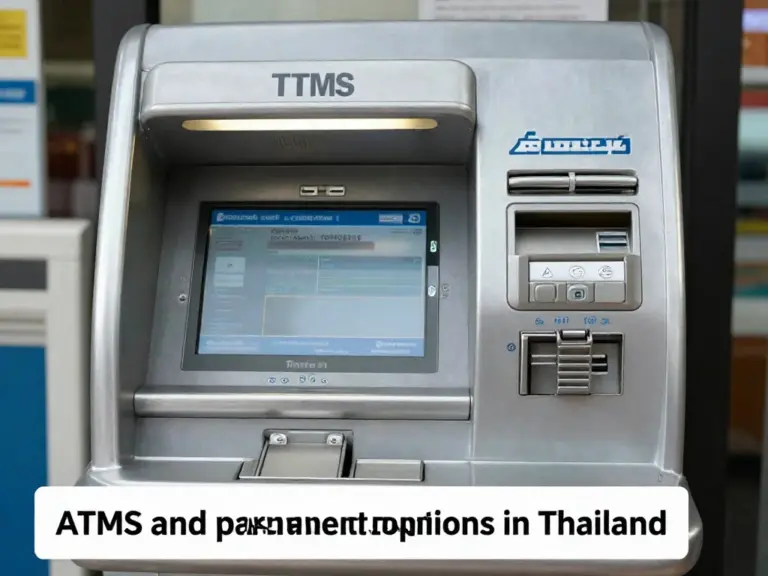
ATMs are ubiquitous in Thailand. You will find them outside 7-Eleven stores, inside shopping malls, at airports, and even in smaller towns. However, there is a significant catch for international travelers: ATM withdrawal fees. Virtually every Thai bank charges a flat fee per transaction for foreign cards, which usually ranges between 200 and 220 THB (approximately $6–$7 USD). This fee is charged by the Thai bank, in addition to whatever fees your home bank may impose.
Which Cards Work Best?
Visa and Mastercard are widely accepted across the country. If you hold a card from a challenger bank (like Revolut, Wise, or Monzo), these are highly recommended for travelers because they often offer better exchange rates and lower international transaction fees. Always notify your home bank of your travel dates to avoid having your card blocked due to suspicious activity.
Using Cards and Digital Payments
While cash is king for street vendors, large retailers, hotels, and upscale restaurants in Thailand almost always accept credit and debit cards. You will find that major malls like CentralWorld or Siam Paragon are fully equipped for card payments. Recently, Thailand has also pioneered the “PromptPay” QR code system. While this is primarily for residents with local bank accounts, some tourist-friendly businesses are beginning to adapt to digital wallet payments.
Avoiding Currency Exchange Traps
When using an ATM, you will often be prompted to choose between “Accept Conversion” or “Decline Conversion.” Always choose to decline conversion. If you accept the ATM’s conversion rate, you are agreeing to the bank’s exchange rate, which is notoriously poor. By declining, your home bank will handle the conversion, which is almost always much closer to the mid-market rate.
| Payment Method | Where to Use | Notes |
|---|---|---|
| Cash (Thai Baht) | Markets, Street Food, Transport | Essential; carry small denominations. |
| Credit/Debit Card | Malls, Hotels, Restaurants | Visa/Mastercard preferred. |
| Travel Cards (Wise/Revolut) | Everywhere | Best for exchange rates. |
คำถามที่พบบ่อย (FAQ)
1. Should I bring cash from home to exchange in Thailand?
Yes, bringing a small amount of cash in your home currency to exchange at reputable booths (like SuperRich) upon arrival is a good backup. However, using ATMs is generally more convenient.
2. Is it safe to use ATMs in Thailand?
Yes, it is generally safe. Use ATMs located in bank branches or busy shopping malls rather than isolated machines on the street to minimize the risk of card skimming.
3. Can I use my debit card for everything?
While you can use it for many things, always carry cash. Many small businesses, taxi drivers, and local markets do not accept cards. Being without cash in Thailand can be frustrating.