What Is Traditional Thai Silk Weaving and Why Does It Matter?
When travelers visit the Kingdom of Thailand, they are often captivated by the vibrant colors and intricate patterns of the local textiles. At the heart of this artistic legacy lies traditional Thai silk weaving, a craft that is far more than just a method of fabric production. It is a profound expression of Thai identity, history, and craftsmanship that continues to hold immense cultural significance today.
The Art and Process of Traditional Thai Silk Weaving
To understand why this craft matters, one must first look at the painstaking process involved. Traditional Thai silk weaving is a labor-intensive practice that begins with the cultivation of silkworms, primarily the Bombyx mori species. These silkworms feed exclusively on mulberry leaves, a practice deeply rooted in rural Thai agricultural traditions.
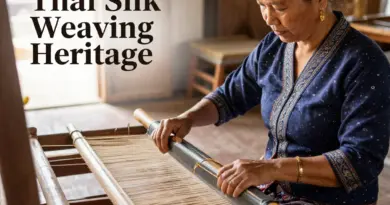
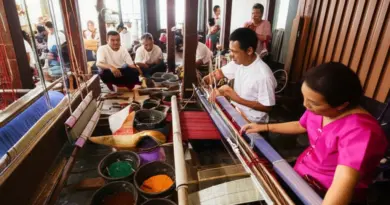
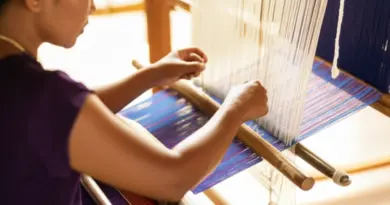
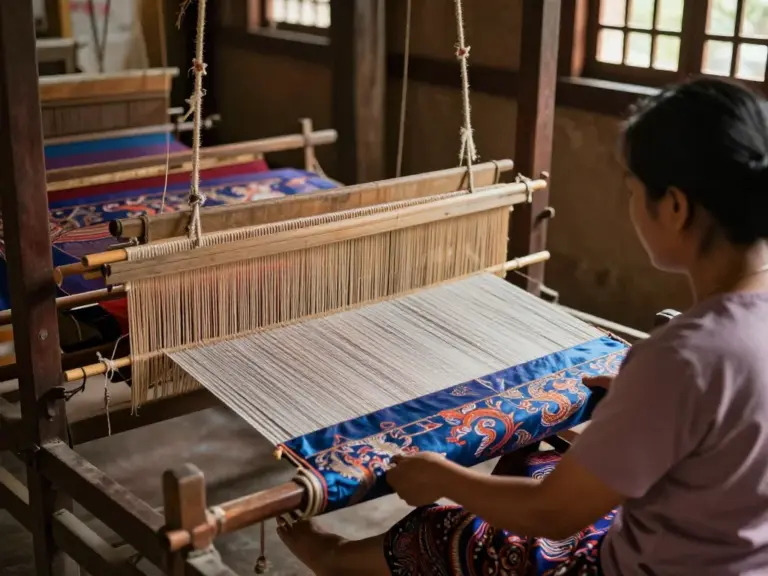
Once the cocoons are formed, they are harvested and boiled to extract the silk thread. The threads are then reeled, cleaned, and dyed using natural ingredients sourced from the environment, such as tree bark, roots, and flowers, which give Thai silk its distinct, earthy, and rich color palette. Finally, the weaving occurs on traditional wooden looms, often hand-operated by skilled artisans who pass their knowledge down through generations.
Why Does It Matter? Cultural and Economic Impact
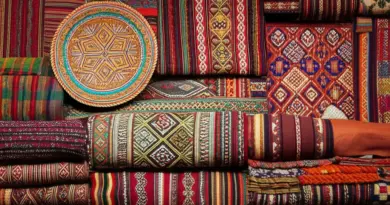
The significance of traditional Thai silk weaving extends well beyond the aesthetic appeal of the fabric. It serves as a living repository of Thai cultural heritage. Each region of Thailand—from the Northeast (Isan) to the Northern highlands—possesses unique weaving styles, patterns, and motifs that tell stories of local beliefs, folklore, and social hierarchies.
Furthermore, the promotion of this craft is a cornerstone of sustainable tourism. By supporting local weavers, travelers directly contribute to the preservation of traditional knowledge and help prevent the homogenization of culture in the face of mass production. When tourists purchase authentic, hand-woven silk, they are investing in the economic empowerment of Thai artisans and ensuring that these ancient techniques survive for future generations.
Regional Varieties: A Tapestry of Thailand
| Region | Silk Characteristic |
|---|---|
| Northeast (Isan) | Famous for “Mudmee” (ikat) silk with intricate geometric patterns. |
| North | Known for “Teen Jok” silk, featuring elaborate woven borders. |
| Central | Often incorporates metallic threads, historically used for royal attire. |
Exploring these regional differences allows tourists to gain a deeper appreciation for the diversity within the country. Whether visiting a silk weaving center in Surin or exploring the markets of Chiang Mai, the encounter with these textiles is an encounter with the soul of Thailand.
คำถามที่พบบ่อย (FAQ)
1. What makes Thai silk different from other types of silk?
Traditional Thai silk is known for its unique luster and slightly uneven texture, which is a hallmark of the hand-reeling process. Unlike mass-produced machine silk, it has a distinct “feel” and weight that signifies authenticity and high-quality craftsmanship.
2. Can I visit weaving villages while traveling in Thailand?
Yes, many provinces, especially in the Northeast, offer community-based tourism where you can visit weaving cooperatives, watch the process, and even try your hand at the loom. It is a fantastic way to engage with the local culture.
3. How can I identify authentic hand-woven Thai silk?
Authentic silk often carries the “Peacock Emblem” certification from the Thai government. Additionally, hand-woven silk will have slight variations in the weave and color, which are evidence of human craftsmanship rather than machine perfection.