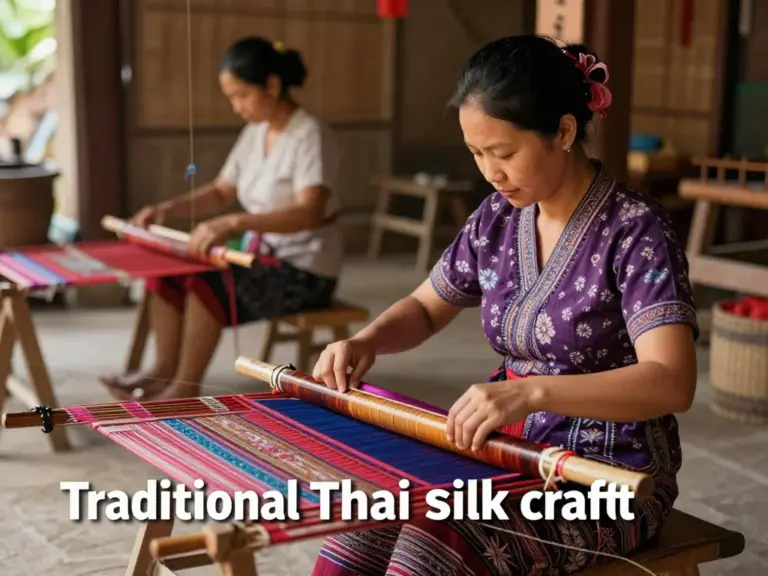
Traditional Thai Arts and Crafts: A Complete Guide to Silk Weaving
When exploring the rich tapestry of Thai culture, few elements are as vibrant or historically significant as Thai silk. As a cornerstone of Traditional Thai Arts and Crafts: A Complete Guide to Silk Weaving, this article delves into the meticulous processes, cultural heritage, and regional variations that make Thai silk a world-renowned treasure. Whether you are a culture enthusiast or a traveler looking for authentic souvenirs, understanding the story behind the loom is essential.
The History and Cultural Significance of Thai Silk
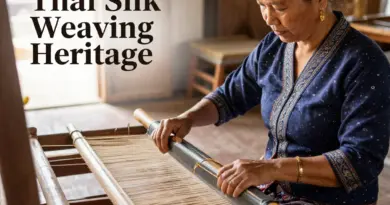
Thai silk weaving is not merely a craft; it is an ancestral legacy passed down through generations. Historically, silk production was a domestic task performed by women in rural villages, particularly in the Northeast (Isan) region. The fabric was once reserved for royalty and religious ceremonies, symbolizing status and spiritual devotion. Today, it stands as a symbol of Thai identity, celebrated for its unique luster and durable texture.
The Intricate Process of Silk Production
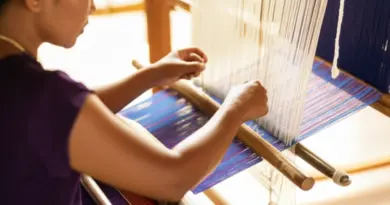
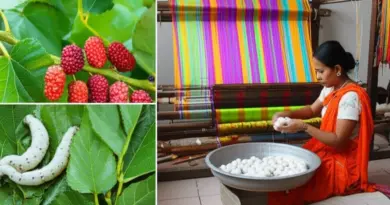
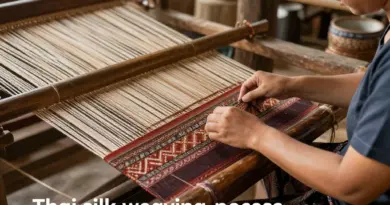
The journey from a humble silkworm to a finished textile is labor-intensive. It begins with the cultivation of mulberry trees, which provide the diet for silkworms. Once the cocoons are spun, they are carefully harvested and boiled to extract the raw silk thread. This thread is then cleaned and dyed, often using natural materials like turmeric, indigo, and bark, before being hand-woven on traditional wooden looms.
Regional Styles: More Than Just Fabric
Different regions in Thailand have developed distinct weaving techniques and patterns, making them unique contributions to Traditional Thai Arts and Crafts: A Complete Guide to Silk Weaving.
| Region | Characteristic |
|---|---|
| Northeast (Isan) | Famous for Mudmee (ikat) silk, featuring intricate tie-dye patterns. |
| North | Known for intricate brocade and soft, lightweight weaves often used in traditional dress. |
| Central | Refined and elegant, often utilizing gold and silver threads for ceremonial wear. |
How to Identify Authentic Thai Silk
With the rise of mass-produced synthetic fabrics, discerning genuine Thai silk is a vital skill. Authentic silk has a unique “slub” or texture—it is never perfectly smooth like synthetic rayon. Additionally, when held to the light, authentic silk often exhibits a subtle sheen and color shift, whereas synthetics look flat. Always look for the “Peacock Emblem” issued by the Queen Sirikit Department of Sericulture, which guarantees quality and authenticity.
คำถามที่พบบ่อย (FAQ)
Here are some common questions regarding Thai silk weaving.
What is the difference between Mudmee and regular Thai silk?
Mudmee is a specific tie-dye technique where the threads are dyed before weaving to create intricate geometric patterns, whereas regular Thai silk is often woven with solid colors or simple stripes.
Where is the best place in Thailand to buy silk?
While you can find silk everywhere, purchasing directly from weaving cooperatives in the Isan region (like Khon Kaen or Surin) ensures you get authentic products and support local artisans directly.
Is Thai silk easy to care for?
Thai silk is durable but delicate. It is generally recommended to dry clean high-quality silk garments to maintain the luster and shape of the fabric.